Bedding & sleep environment
Inside Naturepedic’s Organic Cotton Approach to Bedding
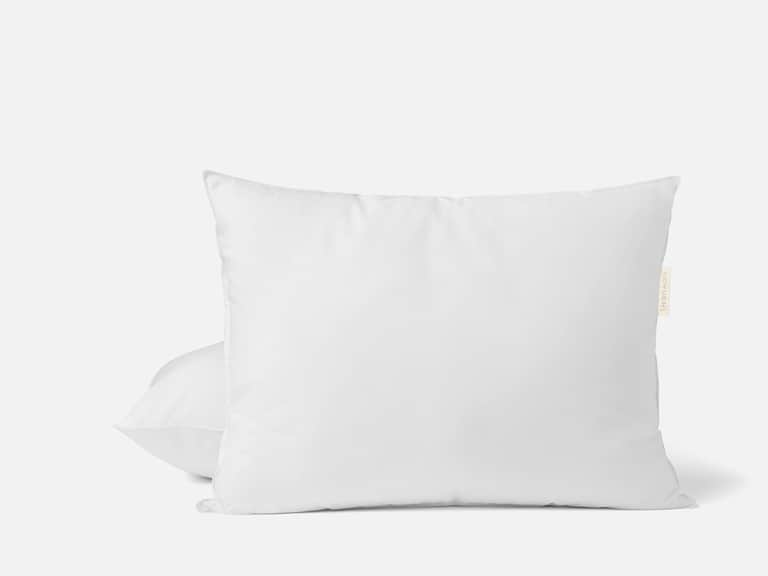
A pillow can feel wonderfully soft, yet its comfort depends on more than what is inside. The fabric touching your face, the way air moves through the layers, and the materials surrounding the filling all help shape the experience. Organic cotton offers a familiar, breathable foundation—and a useful starting point for thinking more carefully about the place where you sleep.
Published October 13, 2026
Why the fabric around a pillow matters
When people compare pillows, attention often goes straight to the filling: down, feathers, wool, foam, or a synthetic alternative. But the outer shell is part of the sleep experience, too. It is the layer in closest contact with a pillowcase, and it can affect the surface’s texture, how securely filling stays inside, and how the pillow feels as warmth and moisture build overnight.
Naturepedic’s use of organic cotton in bedding provides a useful lens for considering that often-overlooked layer. Cotton is familiar, widely used, and available in many weaves and finishes. Organic cotton brings the material’s recognizable qualities into a conversation about how fibers are grown, processed, and verified. Neither the word “organic” nor a soft first impression tells the whole story, but together they invite a more thoughtful look at what makes bedding comfortable and what claims mean.
That perspective fits a broader idea of sleep comfort: there is no single fabric that makes every sleeper comfortable in every climate. The goal is to understand how material, construction, personal preference, and bedroom conditions work together. A breathable cotton shell may be one part of a comfortable setup, alongside the right pillow height, a suitable filling, and a room that feels restful.
Organic cotton, in plain language
Cotton is a plant fiber spun into yarn and woven or knitted into fabric. “Organic” generally refers to standards governing how the crop is grown and how certain stages of production are handled. The details depend on the particular certification and the scope it covers. A label may apply to the agricultural fiber, the finished textile, or a broader chain of production, so it is worth checking the actual claim instead of assuming every organic label means the same thing.
For bedding, the appeal can be both practical and personal. Cotton has a familiar hand feel that many people find comfortable, and it can be made into fabrics that range from crisp and cool-feeling to smooth and supple. Organic sourcing may also matter to shoppers who want greater visibility into agricultural or textile practices. These are related considerations, but they are not identical: a fabric can feel pleasant without being certified organic, and certification by itself does not guarantee that a particular weave or pillow will suit someone’s needs.
It helps to separate three questions: What is the fiber? How was it produced and verified? And how does the finished fabric perform for me? A useful bedding decision takes all three seriously without treating any one answer as a shortcut for the others.
Breathability and the feel of a cool sleep surface
“Breathable” is a popular word in bedding descriptions, but it is not a promise that a fabric will keep every sleeper cool. In everyday use, people often use it to describe a material or construction that feels less stuffy and allows air to move through more readily than a dense, heat-trapping layer. The experience depends on the whole pillow, including the shell, fill, cover, and the room’s temperature and humidity.
Cotton’s structure and the way it is woven influence its character. A tightly woven shell can help contain fine filling, while a lighter fabric may feel more open to the touch. Thread count, yarn quality, finishing, and weave all contribute, but no single number predicts comfort on its own. Higher thread count is not automatically better, and two cotton fabrics can feel quite different even when both use the same fiber.
For a sleeper who tends to feel warm, it can be useful to consider the pillow as a system. A breathable outer fabric may complement a filling that does not feel overly insulating, but a thick pillow protector or dense pillowcase can change the surface experience. Room temperature, bedding layers, and individual differences also matter. A material’s reputation is a starting point for comparison, not a substitute for noticing how you sleep.
There is another everyday detail: moisture. Sleepers naturally release some moisture during the night, and bedding can feel different depending on how it handles that moisture and how quickly it dries. Fabric choice may contribute to a more comfortable sensation, but it cannot control every environmental factor. Washing and drying instructions matter as well; care that leaves a pillow cover damp or damages its finish can undermine the qualities that made it appealing.
A fabric is only one part of pillow comfort
Imagine two pillows with similar cotton shells. One is filled with soft down; the other contains a springier blend or a resilient synthetic fiber. They may feel quite different, even before a pillowcase is added. Filling affects how a pillow compresses beneath the head, how readily it regains its shape, and how much support it offers. The shell then has to contain that filling and work with its movement.
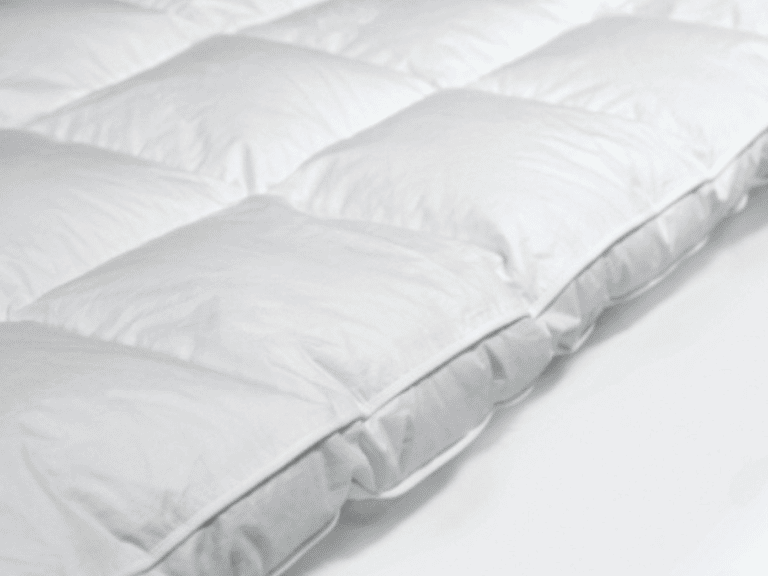
Construction makes a difference, too. A pillow with internal chambers, a gusseted edge, or a carefully divided fill can behave differently from a simple single-compartment design. These features may help manage loft or distribution, but they are not universal guarantees of better comfort. The right arrangement depends on the sleeper’s preferred feel and the job the pillow is meant to do.
Sleep position offers a practical place to begin. Side sleepers often need enough loft to fill the space between the shoulder and head, while back sleepers may prefer a more moderate height. Stomach sleepers commonly find a lower profile more comfortable. These are broad tendencies, not rules: body shape, mattress firmness, and individual comfort all change the equation. A shell made of organic cotton cannot correct a pillow that is too high or too flat for its user.
A helpful test is to notice what happens when you lie down in your usual position. Does your head feel supported, or does it tilt sharply upward or downward? Does the pillow compress immediately and stay flat, or does it resist in a way that feels uncomfortable? Look at the shell and fill together, but give alignment and comfort equal weight. If persistent pain, numbness, or sleep disruption is involved, bedding adjustments are not a substitute for professional medical guidance.
What textile certifications can—and cannot—tell you
Certifications help turn broad promises into claims that can be checked against defined standards. Depending on the program, a textile certification may address organic fiber content, processing requirements, chemical restrictions, manufacturing practices, or traceability. The important question is not simply whether a product has a label, but what that specific label covers and who verifies it.
A certification logo is not a universal quality rating. It does not automatically tell you whether the fabric will feel cool, whether the pillow will support your neck, or how long the product will last. Those outcomes involve the design, materials, construction, care, and your own preferences. Nor should one assume that every component of a finished item falls under the same certification. A standard may apply to only certain materials or stages, so scope matters.
When evaluating a claim, look for the full name of the standard, an explanation of what it verifies, and clear information about which parts of the product are covered. If the description says “organic cotton,” ask whether that means the fiber itself or a certified finished textile. If the product also contains filling, thread, piping, or other materials, check whether the claims extend to those components or refer only to the shell.
Certifications are most useful when treated as evidence rather than magic words. They can offer structure and accountability to a purchase decision, especially for people trying to compare sourcing information. They cannot replace a clear materials list, accurate care instructions, or a realistic assessment of whether the product suits a particular sleeper.
Reading the material story behind bedding
Naturepedic’s bedding can prompt a simple but revealing habit: read past the headline benefit and examine the material story. Is the shell cotton, and is the cotton identified as organic? What is the filling? How is the pillow constructed? Are care directions easy to find? Does the description explain which certifications apply to which materials?
This habit is useful well beyond one maker. Product descriptions sometimes compress complex information into phrases such as “natural,” “clean,” or “eco-friendly.” Those terms may communicate a brand’s intention, but they are not always precise enough to compare products. A specific fiber name, a stated fill composition, a named certification, and a clear care label give shoppers more concrete information to work with.
It is also worth thinking about the full life of the bedding. A pillow that can be cared for according to instructions and remains comfortable over time may serve a household longer than one that needs frequent replacement. Protectors and pillowcases can help shield the shell from everyday soil, while appropriate laundering can keep bedding fresher. Always follow the manufacturer’s directions: some fills tolerate machine washing, others require more cautious care, and drying thoroughly is especially important for pillows with natural fill.
Small decisions can make the sleep space feel more intentional without turning bedtime into a materials audit. Start with one practical question—perhaps whether a pillow feels too warm or whether the shell irritates your skin. Then use the materials and certification information to narrow the options. The aim is clarity, not perfection.
How to assess your own bedding preferences
Comfort is personal, but a short checklist can make it easier to identify what matters most. Instead of shopping by a single claim or an appealing adjective, take stock of what your current pillow does well and where it falls short.
- Notice the surface. Does the shell feel smooth, crisp, soft, or too warm against your pillowcase?
- Check the support. Does your head stay comfortably aligned in your usual sleep position, or does the pillow collapse or push upward?
- Consider temperature. Do you wake feeling hot around your head and neck, and could the pillow, protector, or room setup be contributing?
- Read the fiber and fill details. Look for specific materials, proportions, and construction—not just broad comfort language.
- Review certification scope. Confirm which material or production stage the certification applies to.
- Be realistic about care. Choose care requirements you can follow consistently, and check whether your household has the equipment needed for washing and drying.
- Give changes time. A new pillow can feel unfamiliar at first, but ongoing discomfort is a useful reason to reassess its height, firmness, and fit.
This approach keeps the decision grounded in how you actually sleep. Organic cotton may be an appealing feature, particularly for someone who values a natural fiber and wants to understand sourcing. But it should sit alongside questions about support, fill, construction, and care—not replace them.
The bigger picture: a more considered sleep environment
A restful bedroom is shaped by more than one product. Light, sound, temperature, routine, mattress support, and bedding layers all have a role. Pillow fabric is one small but tangible part of that environment: it meets the face night after night and can influence how a pillow feels through the seasons. Thinking carefully about it is less about chasing a perfect textile and more about making choices that fit your needs.
For some sleepers, organic cotton’s familiar feel and the ability to investigate its certification are central reasons to consider it. Others may prioritize an easy-care fabric, a particular texture, or a shell designed to contain a specific filling. Those preferences can coexist. A considered approach leaves room for different priorities instead of declaring one material best for everyone.
It also helps to distinguish comfort claims from health claims. A fabric can be pleasant and breathable without treating insomnia, preventing allergies, or curing pain. People with known sensitivities or medical concerns may want guidance from a qualified clinician and should pay close attention to product ingredients and care directions. Clear, modest claims are more useful than promises that bedding alone will transform sleep.
The takeaway
Organic cotton is more than a label on a bedding description, but it is not a complete answer to every question about comfort. Its familiar touch, range of available weaves, and role in a breathable sleep surface make it a worthwhile material to understand. Certifications can add useful information about sourcing or processing when shoppers check the exact standard and its scope. And the shell’s qualities matter most when considered alongside the fill, pillow construction, care requirements, and the sleeper’s own preferences.
Naturepedic’s organic-cotton approach offers a starting point for asking better questions: What touches my skin? What is inside the pillow? How does the whole design feel overnight? What does the certification actually verify? When those answers are clear, bedding choices become less about buzzwords and more about building a sleep environment that feels comfortable, considered, and personal.
Frequently asked questions
Does organic cotton automatically make bedding cooler?
No. Temperature comfort depends on the weave and finish, the pillow’s filling and construction, any added protector or pillowcase, and the room itself. Organic status describes production standards, not a guaranteed temperature result.
Is a higher thread count always better?
No. Thread count is only one detail, and it does not independently determine softness, breathability, or durability. Fiber quality, yarn, weave, and finishing all contribute to the way a fabric feels and performs.
What should I check on a textile certification?
Look for the standard’s full name, what it verifies, and which parts of the finished product are included. Certification can support a materials claim, but it does not guarantee a specific feel or suitability for every sleeper.
Can an organic cotton shell make any pillow comfortable?
No. The shell is only one part of the design. Fill, loft, firmness, construction, and fit for your sleep position all contribute to comfort. A well-chosen fabric cannot compensate for a pillow that does not offer the support you need.